Growing African hair, especially for kids, can sometimes feel like navigating a complex maze. Many parents strive to help their children achieve healthy, long hair but often encounter obstacles along the way. If you’ve noticed that your child’s hair seems to be stuck at the same length or looks unhealthy, you might be making some common mistakes. Here’s a look at why your child’s African hair might not be growing as expected and practical ways to fix these issues. 1. Over-Manipulation The Mistake: Frequent styling, brushing, and combing can lead to breakage and stress on African hair, which is naturally more fragile due to its coily structure. The Fix: Opt for protective styles that require minimal manipulation and keep the hair ends tucked away. Styles like twists, braids, and updos can protect the hair while reducing daily handling. Ensure these styles are not too tight, as tension can harm the scalp and hair follicles. 2. Lack of Moisture The Mistake: African hair is prone to dryness, which can lead to brittleness and breakage. Neglecting regular moisturizing routines can stunt hair growth. The Fix: Incorporate a daily moisturizing routine using water-based products, followed by oils or butters to seal in the moisture. The LOC (liquid, oil, cream) method is highly effective for retaining moisture in African hair. Regular deep conditioning treatments are also crucial. 3. Improper Detangling The Mistake: Detangling hair when it’s dry or using harsh methods can cause significant breakage. The Fix: Always detangle hair when it’s damp and conditioned, using a wide-tooth comb or fingers. Start from the ends and gently work your way up to the roots to minimize breakage. 4. Using Harsh Products The Mistake: Products containing sulfates, parabens, and certain alcohols can strip the hair of its natural oils, leading to dryness and breakage. The Fix: Choose sulfate-free shampoos, and natural or organic hair care products designed for African hair. Look for products with nourishing ingredients like shea butter, coconut oil, and aloe vera. 5. Neglecting Scalp Health The Mistake: Ignoring the scalp can lead to issues like dandruff and dermatitis, which can inhibit hair growth. The Fix: Maintain a clean and healthy scalp by washing regularly with a gentle shampoo. Use natural oils like jojoba or coconut oil to keep the scalp moisturized and promote a healthy environment for hair growth. 6. Infrequent Trimming The Mistake: Avoiding trims to save length can result in split ends traveling up the hair shaft, causing more damage and breakage. The Fix: Trim your child’s hair every 8-12 weeks to remove split ends and promote healthy growth. Regular trims prevent split ends from causing further damage. 7. Lack of Protection at Night The Mistake: Not protecting hair at night can lead to tangles and moisture loss, resulting in breakage. The Fix: Have your child sleep on a satin or silk pillowcase or wrap their hair in a satin scarf or bonnet to reduce friction and retain moisture overnight. 8. Poor Nutrition The Mistake: Hair growth is also affected by what’s happening inside the body. A diet lacking in essential vitamins and minerals can lead to slow hair growth. The Fix: Ensure your child’s diet is rich in vitamins A, C, D, E, zinc, iron, and omega-3 fatty acids. These nutrients support scalp health and hair growth. Hydration is also key, so encourage drinking plenty of water. In conclusion, understanding the unique needs of African hair and avoiding these common pitfalls can significantly improve your child’s hair health and growth. Remember, patience and consistency are your allies in this journey. By implementing these fixes, you’re on your way to helping your child achieve the lush, healthy hair they deserve. “Your hair is your crown, your hairitage, so be bold, be confident, be #BONFIDENT”

Category: Hair Grooming & Maintenance
Replenishing Strength: Recognizing When Your Hair Needs Protein Treatment
Protein treatments play a crucial role in maintaining the health and strength of black hair. However, determining when your hair needs a protein boost can be challenging. In this guide, we’ll explore the signs that indicate your hair may benefit from a protein treatment and how to incorporate it into your hair care routine. Signs Your Hair Needs Protein: 1. Excessive Breakage: If you notice an increase in hair breakage, particularly when styling or detangling, it could be a sign that your hair lacks sufficient protein. Protein helps strengthen the hair shaft, reducing breakage and promoting length retention. 2. Weak or Limp Hair: Hair that feels weak, limp, or lacks elasticity may be in need of protein. Protein treatments can help restore strength and resilience to the hair, improving its overall health and appearance. 3. Overuse of Moisture-Based Products: While moisture is essential for black hair, overuse of moisture-based products without balancing with protein can lead to protein deficiency. If your hair feels overly soft or mushy, it may be a sign that protein levels are low. 4. Heat or Chemical Damage: Heat styling tools, chemical treatments, and environmental factors can strip the hair of its natural protein, leaving it vulnerable to damage. If you frequently use heat or undergo chemical treatments, incorporating protein treatments into your routine can help repair and strengthen your hair. 5. Porosity: If you have a high porous hair, the same way your hair looses moisture fast, is the same way/rate your hair looses protein. A protein treatment is needed at least once a month to give your strands strength. Incorporating Protein Treatment: When incorporating protein treatments into your hair care routine, it’s essential to choose the right type and frequency based on your hair’s needs. Consider the following options: 1. BUSKAM Protein Treatment: BUSKAM ORGANICS offer protein treatment formulated specifically for black hair, which contains Hydrolyzed Soy Protein that increases the hair’s ability to hold moisture while adding shine and smoothness. Hydrolyzed soy protein has isoflavones, which have antioxidant effects on arming the scalp and hair from oxidative stress induced by UVB rays. It also contains ylang-ylang oil which is ideal for those with dry scalps, as it can stimulate sebum production. As lack of enough oil and sebum causes hair to become dry and brittle, ylang-ylang can improve hair texture and reduce hair breakage. 2. Frequency: The frequency of protein treatments depends on your hair’s condition and how often it undergoes stressors like heat styling or chemical treatments. Start with a once-a-month treatment and adjust as needed based on your hair’s response. Protein treatments are an essential component of a balanced hair care routine for black women and men. By recognizing the signs that indicate your hair needs protein and incorporating treatments accordingly, you can strengthen and fortify your hair, promoting resilience and vitality. “Your hair is your crown, your hairitage, so be bold, be confident, be #BONFIDENT”
The 5-Step Wash Day That Protects Your Growth
If you have ever finished wash day with hair that felt great for a few hours and then turned dry, tangled and frizzy by the next morning, you are not alone. For most women with natural hair, the problem is not the products. It is the order and the method. Wash day is the foundation of your whole hair routine, and when you get it right, everything else becomes easier: styling, moisture, length retention and even how much time you spend on your hair each week Here is a simple five-step wash day that protects your growth from the very first minute. Step 1: Detangle before you wet your hair. Natural hair is at its most fragile when it is soaking wet, so tackle knots while it is dry or lightly damp. Section your hair into four to six parts and use your fingers first, then a wide-tooth comb. Start from the ends and work upward to the roots. Rushing this step is one of the biggest causes of breakage, so go slowly and be gentle. Step 2: Cleanse your scalp and hair. Your scalp collects sweat, oil, dust and product buildup, especially in a warm climate like Nigeria. Use a sulfate-free shampoo or a gentle black soap shampoo and focus on the scalp rather than scrubbing the lengths. Use the pads of your fingers, not your nails, and let the suds run down the length of your hair as you rinse. This keeps the hair from tangling. Step 3: Deep condition. This is the step that changes everything. Apply your deep conditioner generously from root to tip, cover your hair with a plastic cap, and leave it on for 20 to 30 minutes. If you can, sit under a warm towel or a steamer. A little warmth helps the conditioner penetrate better. Rinse with cool or lukewarm water to help smooth the hair. Step 4: Apply a leave-in conditioner. While your hair is still damp, smooth on a leave-in conditioner. This adds a layer of moisture and slip, making your hair easier to style and protecting it throughout the week. Skipping this step is the number one reason hair feels dry by day two. Step 5: Seal with a butter or oil. Moisture is only useful if it stays in your hair. A natural hair butter creates a light seal over the leave-in and slows down how quickly water escapes. Apply a small amount, focusing on the ends, which are the oldest and driest part of your hair. How often should you wash? For most women, every one to two weeks works well. Washing too often can strip natural oils, while washing too rarely allows buildup to pile up on your scalp. Listen to your hair. If it feels heavy, itchy or limp, it is time to wash. Common wash day mistakes to avoid: Even the best routine will not work if you only do it once and then forget about it. Healthy hair grows when it breaks less, and consistency is what makes the difference. Set aside a few hours each week, put on your favourite music, and treat wash day as self-care rather than a chore. With time, you will notice softer hair, less shedding and visible length retention. Buskam Organics products to use: Shop at bkorganics.comImage: AI generated Lorem ipsum dolor sit amet, consectetur adipiscing elit. Ut elit tellus, luctus nec ullamcorper mattis, pulvinar dapibus leo.
Deep Conditioners, Your Hair Buddy
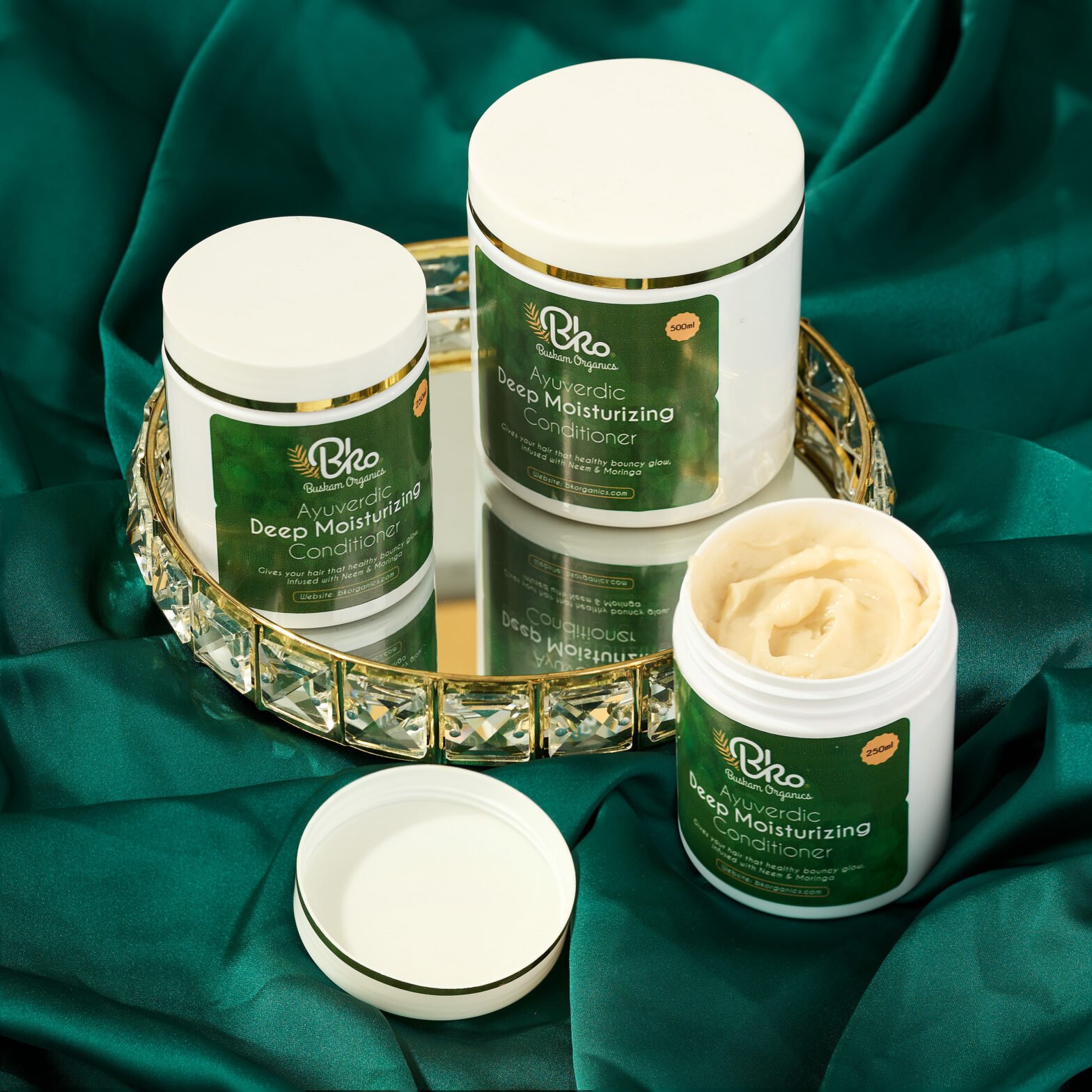
Deep conditioning restores dull, dry hair and bring life back to your hair, it is meant to stay on the hair for longer than your regular hair conditioner(Rinse out Conditioner). A lot of deep conditioners target specific problems, such as a lack of protein from one too many chemical treatments or simply adding a hit of moisture back into your hair. Whatever you need, deep conditioning your hair usually have the answer. In general, deep conditioning is designed to soften, revive, and strengthen your hair, giving your hair a boost that’s much more intense than your normal hair conditioner Deep conditioning is fantastic for giving your hair an extra boost and upping the hair shine. If you have damaged hair, it’s an absolute must if you want to stop hair breakage and bring it back to some resemblance of health. For people with thin, oily hair, deep conditioning isn’t so essential, and you might want to look for a more lightweight treatment Understanding Black Hair’s Unique Needs: Black hair is naturally drier and more prone to breakage due to its tight curls and coils. BUSKAM DEEP CONDITIONER helps replenish moisture, restore elasticity, and strengthen the hair shaft, combating dryness and reducing the risk of breakage. Additionally, deep conditioning treatments can help soften and detangle the hair, making it more manageable and less prone to knots and tangles. Benefits of Using BUSKAM Deep Conditioner: 1. Moisture Restoration: Deep conditioning treatments penetrate the hair shaft, delivering moisture deep into the hair’s cortex. This helps hydrate and nourish the hair from within, leaving it soft, supple, and more resistant to breakage. 2. Strength and Elasticity: Protein-rich deep conditioners help strengthen the hair shaft, improving its resilience and elasticity. This reduces the risk of breakage and promotes length retention, allowing you to grow longer, healthier hair over time. 3. Damage Repair: Deep conditioning treatments can help repair damage caused by heat styling, chemical treatments, and environmental stressors. Ingredients like hydrolyzed keratin, collagen, and amino acids work to fill in gaps in the hair cuticle, smoothing roughness and restoring shine and vitality to the hair. Incorporating Deep Conditioning Into Your Routine: To reap the full benefits of deep conditioning, it’s essential to incorporate it into your regular hair care routine. Follow these steps for optimal results: 1. Choose the Right Product: Look for deep conditioning treatments formulated specifically for black hair, with nourishing ingredients like shea butter, coconut oil, and avocado oil. Consider your hair’s needs, such as moisture vs. protein, and select a product accordingly. 2. Application Technique: Apply the deep conditioner evenly to damp hair, focusing on the mid-lengths and ends where hair tends to be driest and most damaged. Use a wide-tooth comb or your fingers to distribute the product evenly and ensure thorough coverage. 3. Heat Activation: For maximum penetration and effectiveness, use heat to activate the deep conditioner. You can do this by covering your hair with a plastic cap and sitting under a hooded dryer or using a warm towel or shower cap to trap heat and enhance absorption. 4. Rinse Thoroughly: After the recommended treatment time, rinse the deep conditioner thoroughly with lukewarm water to remove any residue. Follow up with the BUSKAM leave-in conditioner or moisturizer to seal in moisture and add additional hydration. Deep conditioning is a vital component of a healthy hair care routine for black women and men. By nourishing and revitalizing the hair from within, deep conditioning treatments help maintain moisture balance, strengthen the hair shaft, and promote overall hair health. Incorporate deep conditioning into your regular routine to unlock the full potential of your hair and achieve long-lasting results. “Your hair is your crown, your hairitage, so be bold, be confident, be #BONFIDENT”