Wanna know how to retain that new growth? Moisture & protect! You think it can’t be that simple? Well it is, we’re sure the most asked question for every black lady is ” how do I grow my hair?”; yes, we know and we’ve been there…. If some of you are like some of us; you think women with long, thick hair get them cause someone in their family has long & thick (full) hair, hello sister please wake up!!!! The process of maintaining & grooming long, thick hair has been lost to the modern African society; like we always say it’s never too early or late to be #BONFIDENT. Here are easy steps for you to follow to retain length: 1. Healthy Scalp: use shampoos that prioritize scalp health and use stimulating oils on your scalp like rosemary and tea tree oil. 2. Treatments: use a weekly deep conditioning treatment, probably on Sundays or days you can really pay attention to your hair. During this process, take the time to gently and slowly detangle you hair to reduce breakage. You can also throw in the BUSKAM PROTEIN TREATMENT about once a month to strengthen your strands. If you like you can use a hydrating mask or deep conditioner like the BUSKAM DEEP CONDITIONER. 3. Lock That Moisture: After washing and conditioning, use the LCO method (leave-in conditioner, cream, and oil) to maintain moisture, which is important for natural hair length retention. The best type of leave-in conditioner is a water-based leave-in conditioner to penetrate your hair, and then follow up with BUSKAM PEPPERMINT BUTTER for a bit of definition . Finally, finish with the BUSKAM GROWTH OIL when your hair is dry to seal in moisture. 4. Refresh Your Hair: also refresh my hair with a water-based spray daily to keep your hair happy with the BUSKAM ROSEMARY HAIR MIST. 5. Protect Your Hair: yes, we know about the protective hair styles, but do you know that too much tension/stress on your hair will limit its growth? well now you now, so reduce the level of manipulation you put your hair through. Image source: Free Pik “Your hair is your crown, your hairitage, so be bold, be confident, be #BONFIDENT”

Author: Tech Support
How Men Grow Healthy Hair

We know that our appearance plays a significant role in personal and professional lives; hair care talks is focused mainly on women; men also have hair challenges they rarely talk about. From combating hair loss, bald spots to dealing with dryness and breakage, the journey to achieving luscious locks can be riddled with uncertainties. However, with the right techniques and practices tailored to their specific needs, men can effectively nurture their hair and foster optimal growth. We’re going to navigate the important routines that men can incorporate into their daily lives to cultivate and sustain healthy hair, promoting not only physical well-being but also a boost in self-assurance and style. 1. Proper Hair Care Routine: o Regular Washing: Wash your hair regularly using a mild shampoo and conditioner suitable for your hair type. Over-washing can strip away natural oils, leading to dryness, while under-washing can result in scalp issues. o Gentle Handling: Be gentle while washing and handling your hair to prevent breakage. Avoid rubbing your hair vigorously with a towel; instead, gently pat it dry. o Avoid Heat Styling: Limit the use of heat styling tools such as hairdryers, as excessive heat can damage the hair shaft and cause breakage. If you must use heat styling tools, use them on a low heat setting and always apply a heat protectant product beforehand. o Regular Trims: For men with long hair, get regular trims to prevent split ends and maintain the overall health of your hair. 2. Balanced Diet and Hydration: o Nutrient-Rich Diet: Maintain a balanced diet rich in vitamins, minerals, and protein, as these nutrients are essential for healthy hair growth. Incorporate foods like fruits, vegetables, lean proteins, whole grains, and healthy fats into your meals. o Hydration: Drink plenty of water throughout the day to keep your body and scalp hydrated. Dehydration can lead to dry and brittle hair, so aim to drink at least 8 glasses of water daily. o Supplements: Consider taking supplements like biotin, vitamin D, and omega-3 fatty acids, which are known to promote hair health. However, it’s essential to consult with a healthcare professional before starting any new supplement regimen. 3. Stress Management and Lifestyle Choices: o Stress Reduction: Manage stress through relaxation techniques such as meditation, yoga, deep breathing exercises, or engaging in hobbies and activities you enjoy. Chronic stress can disrupt the hair growth cycle and lead to hair loss. o Adequate Sleep: Ensure you get enough quality sleep each night, as inadequate sleep can negatively impact overall health, including hair health. Aim for 7-9 hours of sleep per night to support healthy hair growth. o Avoiding Harmful Habits: Minimize or avoid smoking, excessive alcohol consumption, and recreational drug use, as these habits can impair circulation, decrease nutrient absorption, and negatively affect hair health. By incorporating these techniques into your daily routine, you can help maintain and promote the growth of healthy hair. However, it’s essential to remember that individual factors such as genetics and underlying health conditions can also influence hair health, so consistency and patience are key. If you experience any concerning changes in your hair, such as excessive shedding or sudden hair loss, consult a healthcare professional or a dermatologist for personalized advice and treatment options. “Your hair is your crown, your hairitage, so be bold, be confident, be #BONFIDENT”
Relaxed Hair? Want It Healthy & Long?
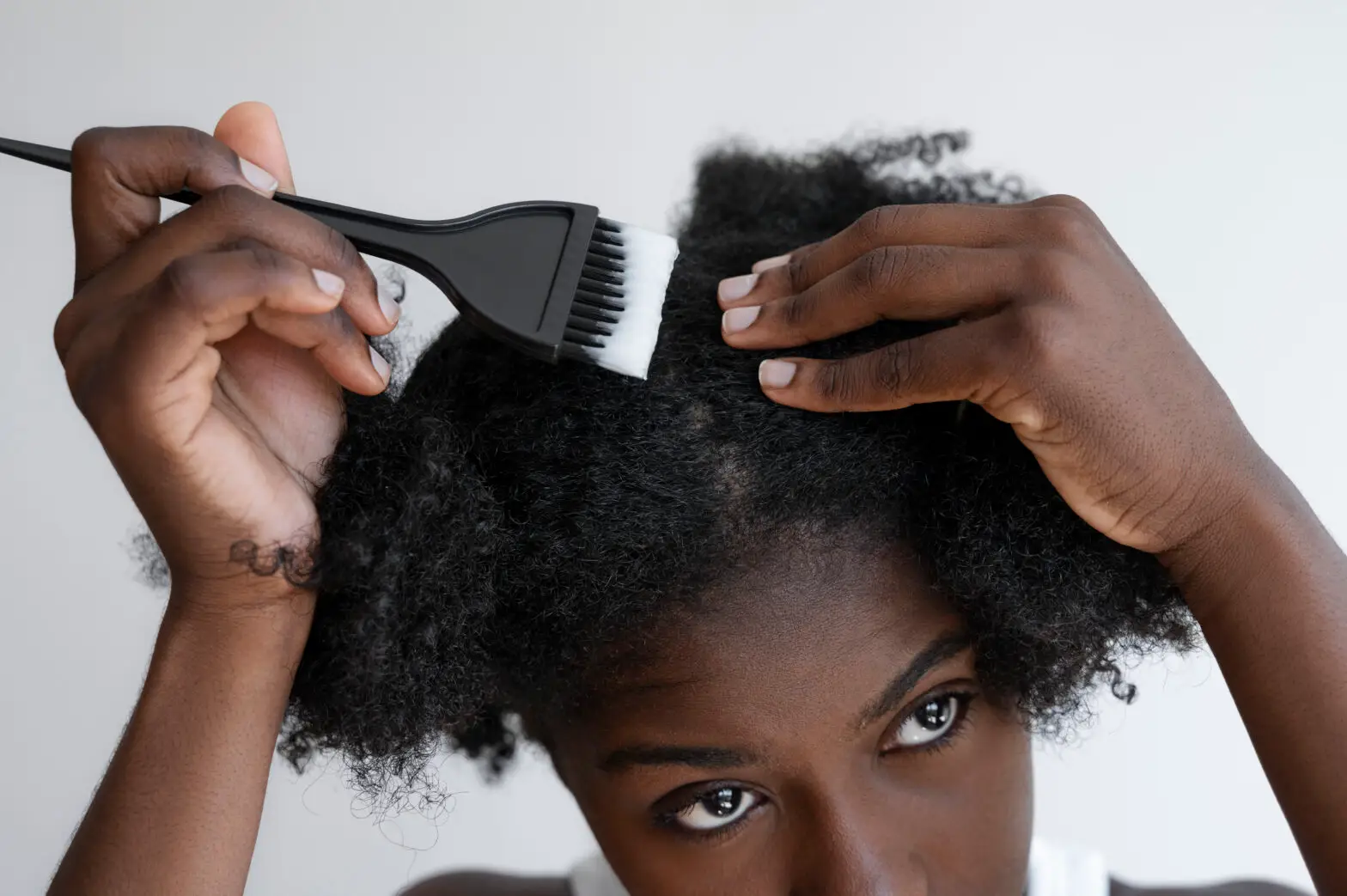
Maintaining a relaxed hair needs a delicate balance of moisture, strength, and protection to ensure its health and vibrancy. With our black hair’s unique texture and curl pattern, it becomes even more vulnerable when we add chemical treatments such as relaxers, texturizers, or color(dye). These processes change the hair’s natural structure, often leading to dryness, breakage, and damage if not properly cared for. However, with the right practices, you can keep your chemically treated hair healthy and beautiful. Here’s how, in an easy-to-understand format with practical examples: 1. Moisturizing is Key Why It’s Important: Chemical treatments can strip hair of its natural oils, leading to dryness. Dry hair is more prone to breakage. What to Do: Implement a rigorous moisturizing routine. Use leave-in conditioners and deep conditioning treatments regularly. For example, after shampooing, apply a deep conditioner and cover your hair with a plastic cap. Sit under a hooded dryer or use a warm towel around your head for 30 minutes to allow the conditioner to penetrate deeply. 2. Protein Treatments Why It’s Important: Chemical processes break down the protein structure of your hair, making it weak. Protein treatments help rebuild its strength. What to Do: Incorporate a protein treatment into your hair care routine every 4-6 weeks. Use products specifically designed for chemically treated hair. A practical approach is to apply a protein treatment that contains keratin or collagen, leave it on your hair as directed (usually between 10-30 minutes), then rinse it out. This will help reinforce the hair’s structure and reduce breakage. 3. Low-Manipulation Styling: Why It’s Important: Chemically processed hair is more susceptible to damage from heat and manipulation. Excessive styling can lead to breakage and split ends. What to Do: Opt for low-manipulation hairstyles that don’t require frequent combing, brushing, or heat styling. Examples include twists, braids, or updos that can last several days to a week. When detangling, use a wide-tooth comb and start from the ends, working your way up to the roots gently. 4. Limit Heat Usage: Why It’s Important: Heat styling can cause further damage to already processed hair, making it brittle and dry. What to Do: Reduce the use of heat styling tools like flat irons, curling irons, and blow dryers. If you must use them, always apply a heat protectant beforehand. Alternatively, embrace heatless styling methods, such as roller sets or braid-outs, to achieve desired styles without the damage. 5. Protective Night-time Practices: Why It’s Important: Cotton pillowcases can absorb your hair’s oils and cause friction, leading to breakage. What to Do: Sleep with a satin or silk scarf wrapped around your head, or use a satin pillowcase. This will help retain moisture and reduce breakage caused by friction. Additionally, try to braid or twist your hair loosely before bed to prevent tangles and breakage. 6. Regular Trims: Why It’s Important: Split ends can travel up the hair shaft and cause more damage, making your hair look frizzy and unkempt. What to Do: Get your hair trimmed regularly, about every 6-8 weeks, to keep it looking healthy and to prevent split ends from causing further damage. 7. Hydrate and Nourish From Within: Why It’s Important: Healthy hair starts from the inside. A well-balanced diet and adequate hydration are essential for maintaining the health of your hair. What to Do: Drink plenty of water and eat a balanced diet rich in vitamins, minerals, and omega-3 fatty acids. Foods like salmon, avocados, nuts, and leafy greens can promote healthier hair. By adopting these best practices, you’ll not only protect your chemically processed African hair from potential damage but also encourage its growth and vitality. Remember, consistency is key, and your hair’s needs may change over time, so be attentive and willing to adjust your routine as necessary. “Your hair is your crown, your hairitage, so be bold, be confident, be #BONFIDENT”
Importance of Knowing Your Hair Porosity
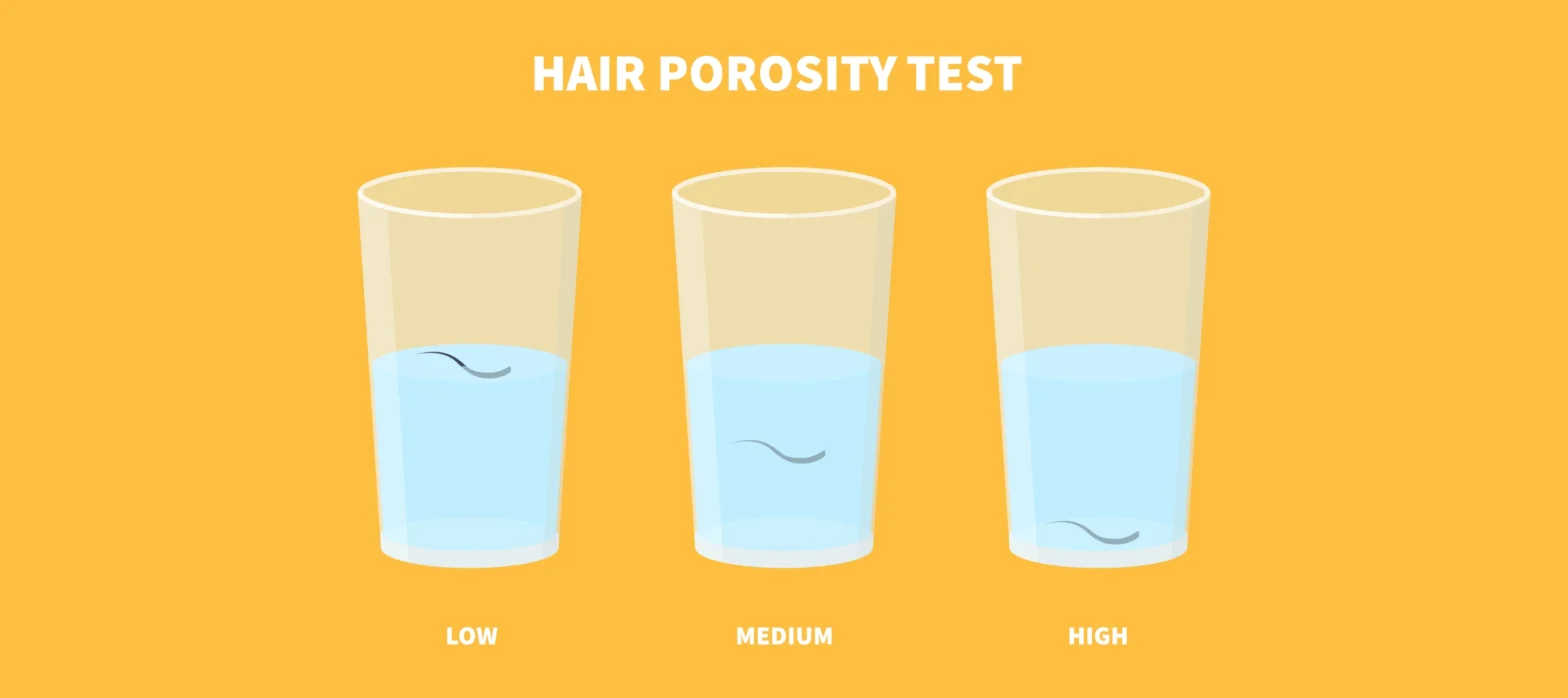
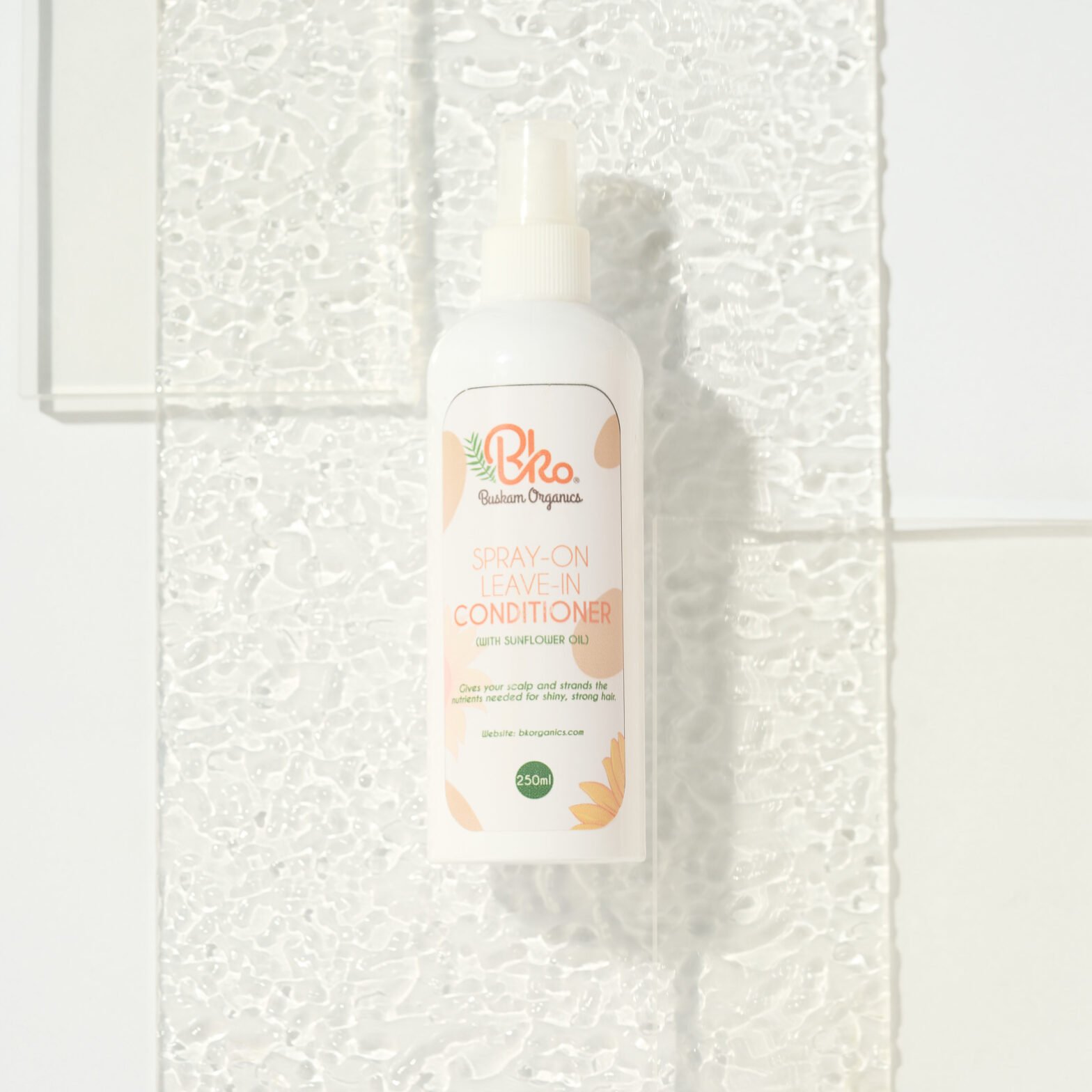
Our African black hair is characterized by its diverse textures and unique needs, requires special routines to care for them to get the best results for a healthy hair and how to retain your length. Central to this care is understanding hair porosity; this just means the ability of the hair to absorb and retain moisture. Porosity plays an important role on how products interact with the hair and influences overall hair health. So let’s look at how black hair porosity types, and maintenance regimes using our products to promote length retention. Understanding Black Hair Porosity: Porosity refers to the hair’s ability to absorb and retain moisture, its as simple as that, but you should know that our black hair has 3 different types of porosity: 1. Low Porosity Hair: o Characteristics: Low porosity hair has a tightly bound cuticle layer, making it difficult for moisture to penetrate. As a result, it often feels dry and may be prone to product buildup. o Care Regimen: Focus on methods to open the cuticle layer to allow moisture absorption; an important tip is to apply products when your hair is wet and warm. Heat can lift the hair cuticle, allowing oils and moisture to more easily penetrate the hair shaft. 2. Medium Porosity Hair: o Characteristics: Medium porosity hair has a moderately open cuticle layer, allowing moisture to enter and exit the hair shaft relatively easily. It retains moisture well and is less prone to damage. o Care Regimen: Maintain moisture balance while preventing excessive moisture loss. Avoid over-washing, this will remove all natural oils and further damage your hair. Conditioning: Deep conditioning is crucial for locking in moisture and repairing damaged strands; our DEEP MOISTURIZING CONDITIONERS which has ingredients like shea butter and coconut oil, to help give you that proper hydration needed for your hair. 3. High Porosity Hair: o Characteristics: High porosity hair has gaps and holes in the cuticle layer, causing moisture to enter and exit the hair shaft quickly. This type of hair tends to be dry, frizzy, and prone to breakage. o Care Regimen: Focus on methods to reduce moisture loss and strengthen the hair shaft, by having: regular trimming, deep conditioning, protein treatment, low heat styling. however, Protein treatment is the KEY maintenance method for this porosity type; protein treatments are crucial for high porosity hair, as they help repair and strengthen the hair shaft, minimizing gaps in the cuticles. Our PROTEIN TREATMENT contains hydrolyzed soy protein which will help you achieve just that. Hair Care Regimen for Different Porosity Types: Low Porosity Hair: Low porosity hair requires techniques to open the cuticle layer and facilitate moisture absorption. 1. Shampoo: o Use BUSKAM Organics Sulfate-Free Moisturizing Shampoo to gently cleanse the scalp without stripping natural oils. Concentrate on removing buildup. 2. Conditioner: o Apply BUSKAM Organics Rinse out Moisturizing Conditioner to the lengths and ends, focusing on hydrating the hair. Detangle gently with a wide-tooth comb. 3. Deep Conditioning: o Incorporate weekly deep conditioning with BUSKAM Organics Deep Conditioner. Use heat to help open the cuticle and enhance moisture absorption. 4. Moisturizing: o Apply BUSKAM Organics Spray-on Leave-In Conditioner to damp hair to seal in moisture. 5. Styling: o Choose water-based styling products such as BUSKAM Organics Peppermint Butter without weighing down the hair. Avoid heavy creams or butters. Medium Porosity Hair: Medium porosity hair requires maintenance to retain moisture balance and prevent excessive moisture loss. 1. Shampoo: o Use BUSKAM Organics Sulfate-Free Moisturizing Shampoo to cleanse gently, focusing on the scalp. Rinse thoroughly to avoid buildup. 2. Conditioner: o Apply BUSKAM Organics Rinse out Moisturizing Conditioner from mid-length to ends. Allow it to sit for a few minutes before rinsing to maximize moisture absorption. 3. Deep Conditioning: o Deep condition with BUSKAM Organics Deep Conditioner bi-weekly to maintain moisture balance and prevent dryness and breakage. 4. Moisturizing: o Apply BUSKAM Organics Spray-on Leave-In Conditioner to damp hair to seal in moisture. 5. Styling: o Opt for BUSKAM Organics Peppermint Butter . Avoid heavy styling products that can lead to buildup. High Porosity Hair: High porosity hair requires techniques to reduce moisture loss and strengthen the hair shaft. 1. Shampoo: o Use BUSKAM Organics Sulfate-Free Moisturizing Shampoo to cleanse gently, focusing on the scalp while avoiding over-washing. 2. Conditioner: o Apply BUSKAM Rinse Out Moisturizing Conditioner generously, focusing on the ends. Leave it on for an extended period or use a shower cap for deeper penetration. 3. Deep Conditioning: o Deep condition with BUSKAM Organics Deep Conditioner weekly to replenish moisture and repair damage. Incorporate BUSKAM Organics Protein Treatments to strengthen the hair shaft. 4. Moisturizing: o Apply BUSKAM Organics Spray-on Leave-In Conditioner to damp hair, followed by a heavier oil like castor or shea butter to seal in moisture and provide extra nourishment, you can find both of these butters in the BUSKAM Organics Peppermint Butter 5. Styling: o Use BUSKAM Organics Peppermint Butter for added moisture . Minimize heat styling and protect hair with a heat protectant spray when necessary. 6. Protein treatment: o Use BUSKAM Organics Protein Treatment to help repair and strengthen the hair shaft, minimizing gaps in the cuticles for more moisture. Understanding and addressing black hair porosity is essential for maintaining healthy hair and promoting length retention. By tailoring your hair care regimen to your hair’s specific porosity type and using products from BK Organics, you can effectively manage moisture levels, prevent damage, and achieve optimal hair health. With consistency and proper care, you can nurture your black hair to thrive and flourish. Your hair is your crown, your hairitage, so be bold, be confident, be #BONFIDENT”